Open beta · Free

Let your garden work for you.

perma helps you plan your garden so the plants look after each other. You spend less time tending it, and more time enjoying it.

Over 300 plant speciesWorks in your browser
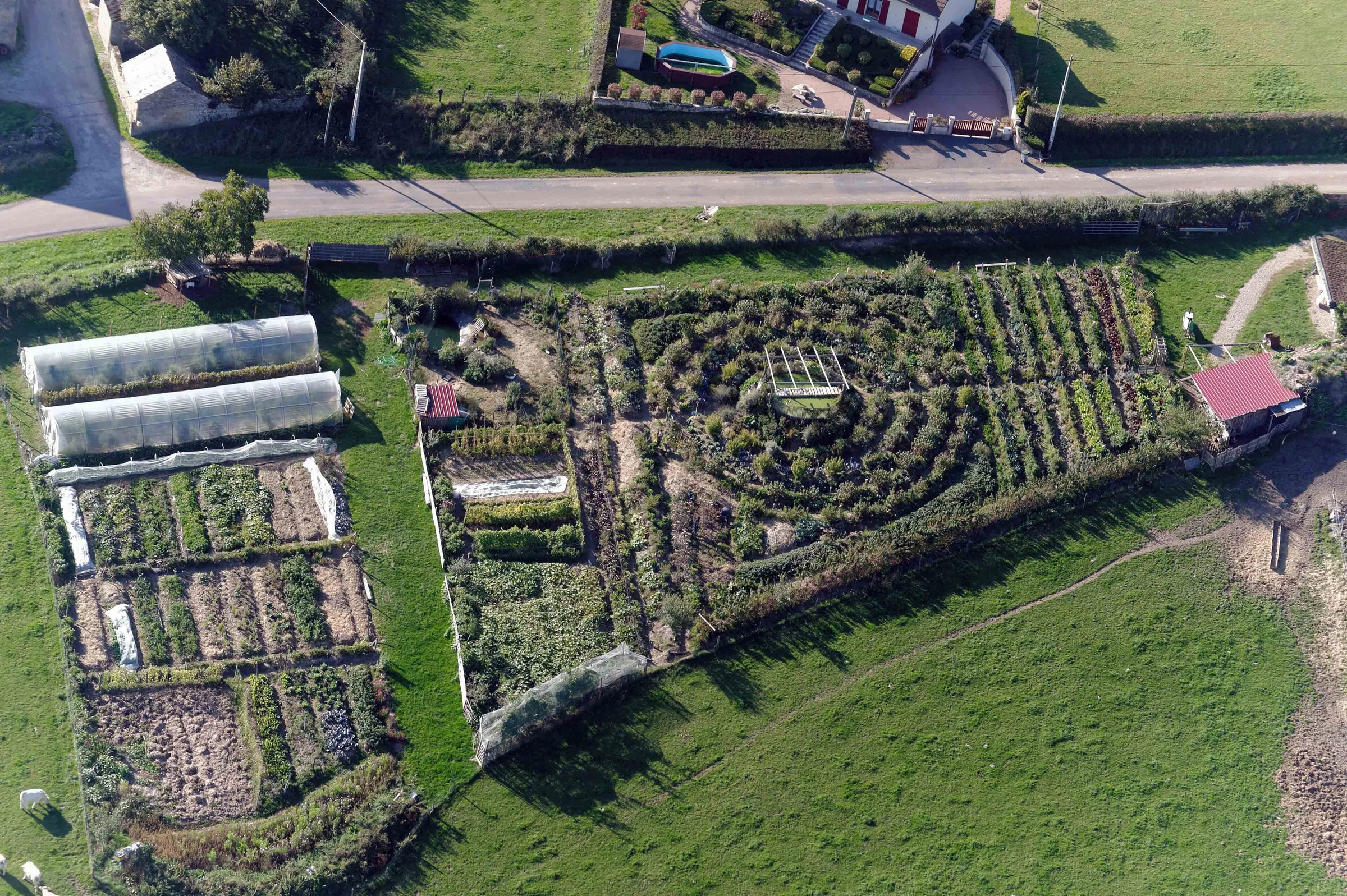
A permaculture garden from the air, with round beds around a greenhouse.
Alôsnys, Burgundy

Permaculture means designing after nature's own systems, and creating an ecosystem that fills the garden's different jobs.

In a plant guild, every plant has a job.

The plants help each other instead of competing.

1

The plants feed the soil.

Some plants pull nitrogen from the air, others bring nutrients up from deep down. Cut their leaves and leave them where they fall, and they feed the soil and cover it so it holds water. The soil gets better every year, without bought fertilizer.

2

Nature keeps the balance.

When the garden is designed as an ecosystem, it can look after itself. Native flowers attract pollinators and beneficial insects, which pollinate the fruit and keep pests down, without sprays or extra fertilizer. It asks less of you and leads to a more productive garden.

3

Harvest from top to bottom.

Build the garden in layers, like a food forest, from trees and shrubs down to herbs and ground cover, and the same space gives more food. With perennial plants you get a garden that looks after itself and gives more every year, because the soil is left undisturbed and stays in balance.

So where do you start?

Permaculture draws on a huge amount of knowledge. Which plants will thrive in your soil and in your climate? Which ones help each other, and which compete? It can quickly become confusing

perma makes it clear.

All of that knowledge, applied to your garden, in one place. Only the parts that matter to you.

Open app

Try it yourself.

Wiki Prototype · try the real app

Drag a plant into the bedTap Add to plant something

Wiki

How perma works.

Plan

Design your ideal garden

perma uses your address to map your plot and buildings, and lets you design your beds. From there, perma works out how well each plant will do, based on your garden's microclimates.

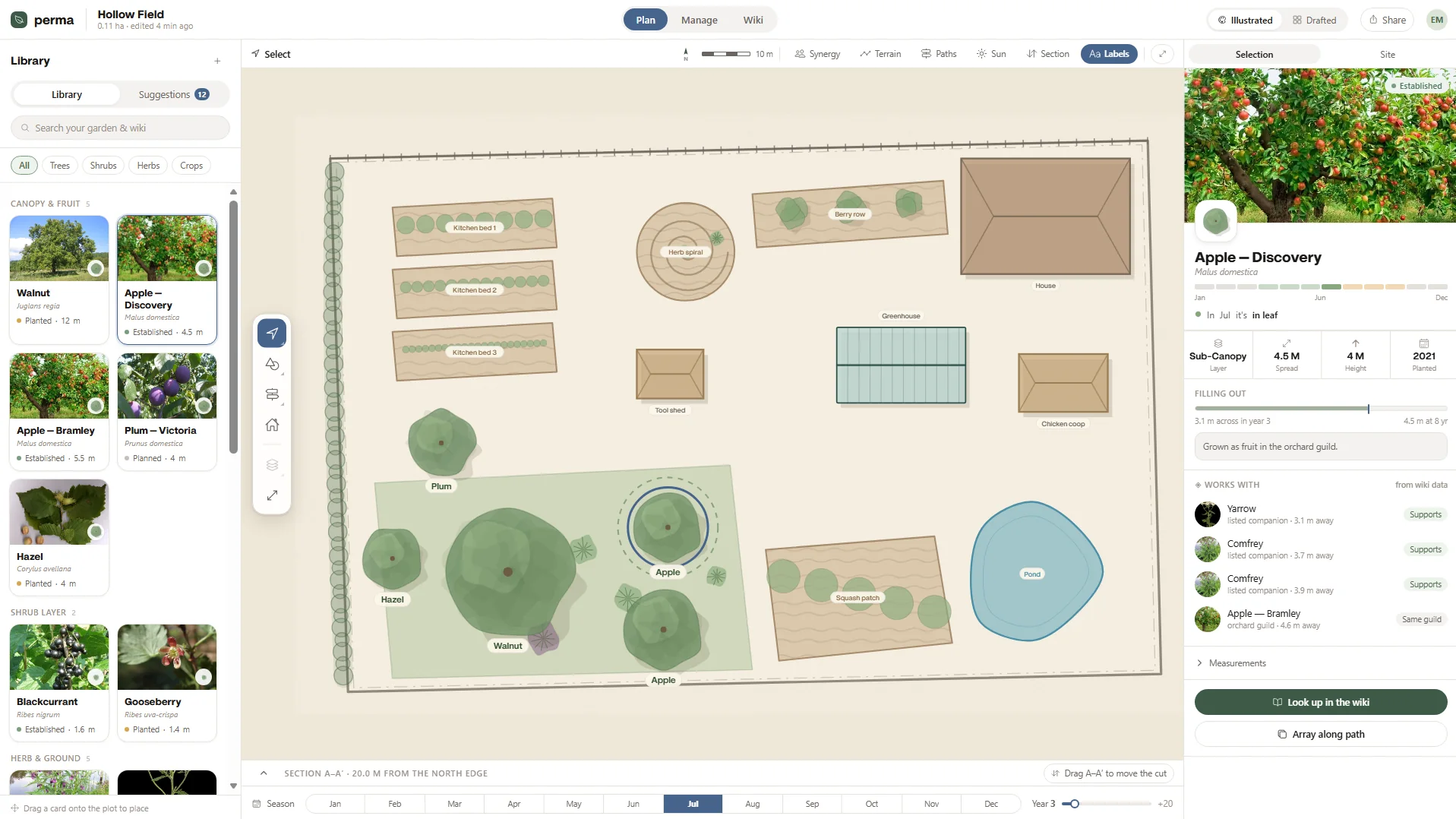
Design on your computer perma's garden planner with a garden drawn in: fruit trees, vegetable beds, a greenhouse, a pond and a chicken coop.
Choose

Companion plants that help each other

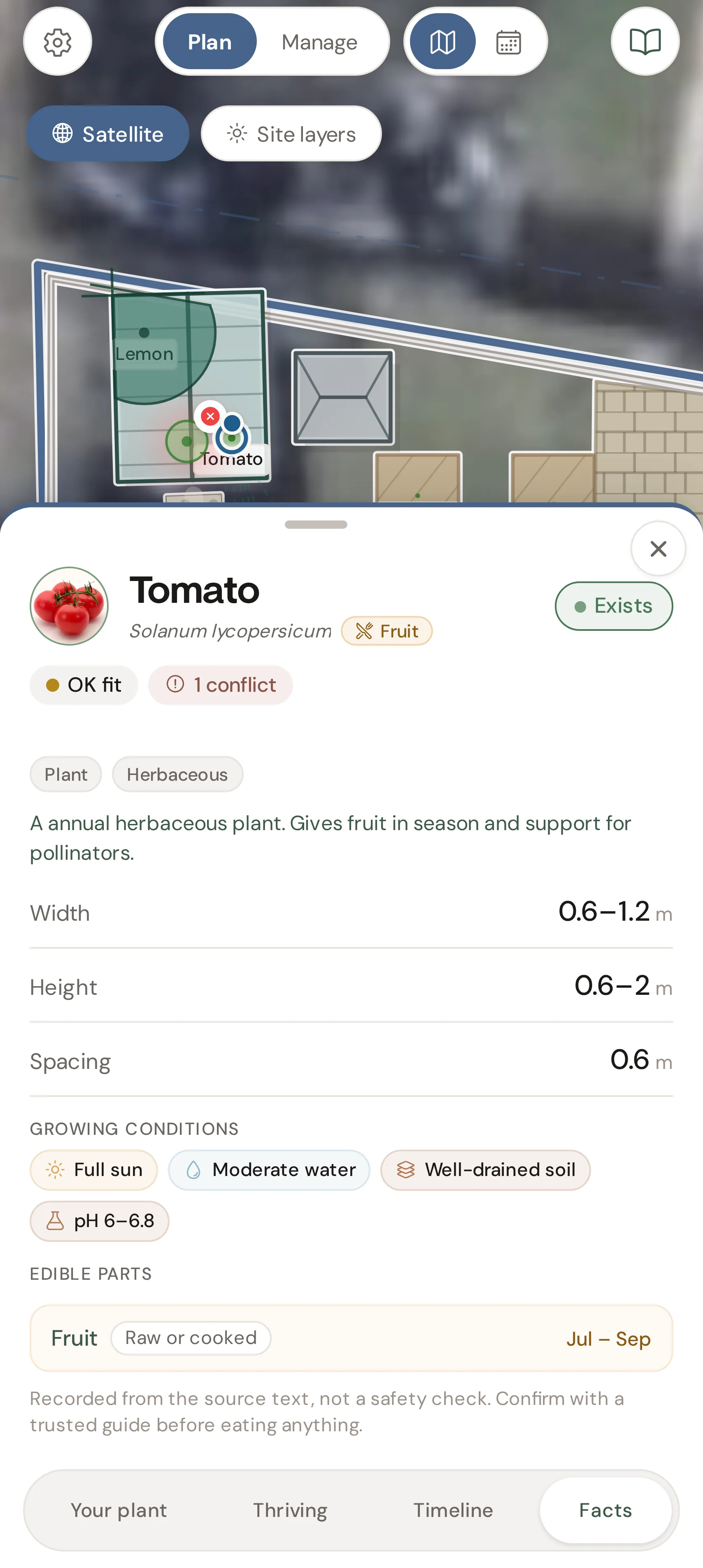
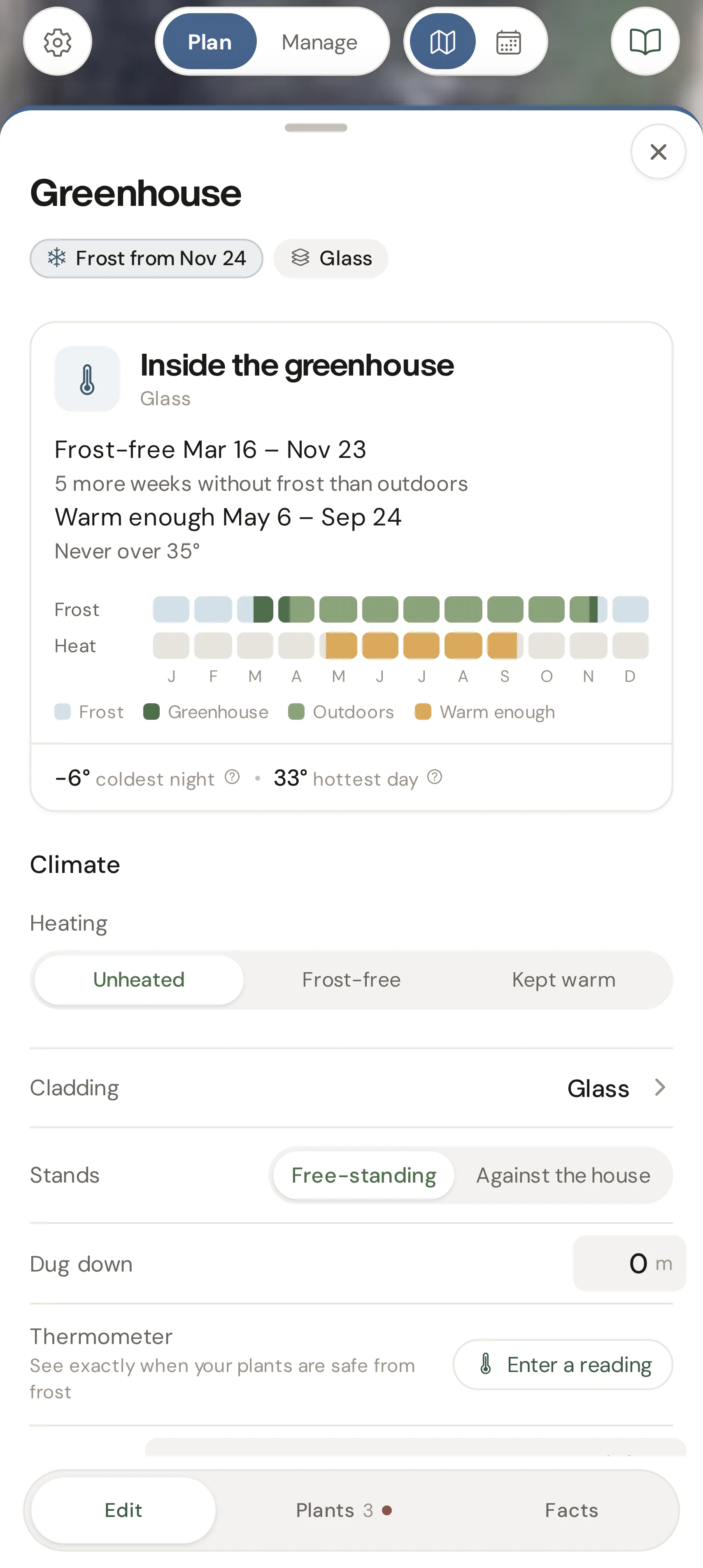
perma checks the conditions in your garden against what each plant needs. You see what will thrive where, which plants help each other, and why.

Library · phone
A tomato in the greenhouse in perma, with its growing conditions. A greenhouse in perma showing when it is frost-free and warm enough inside.
Maintain

Follow your garden year by year

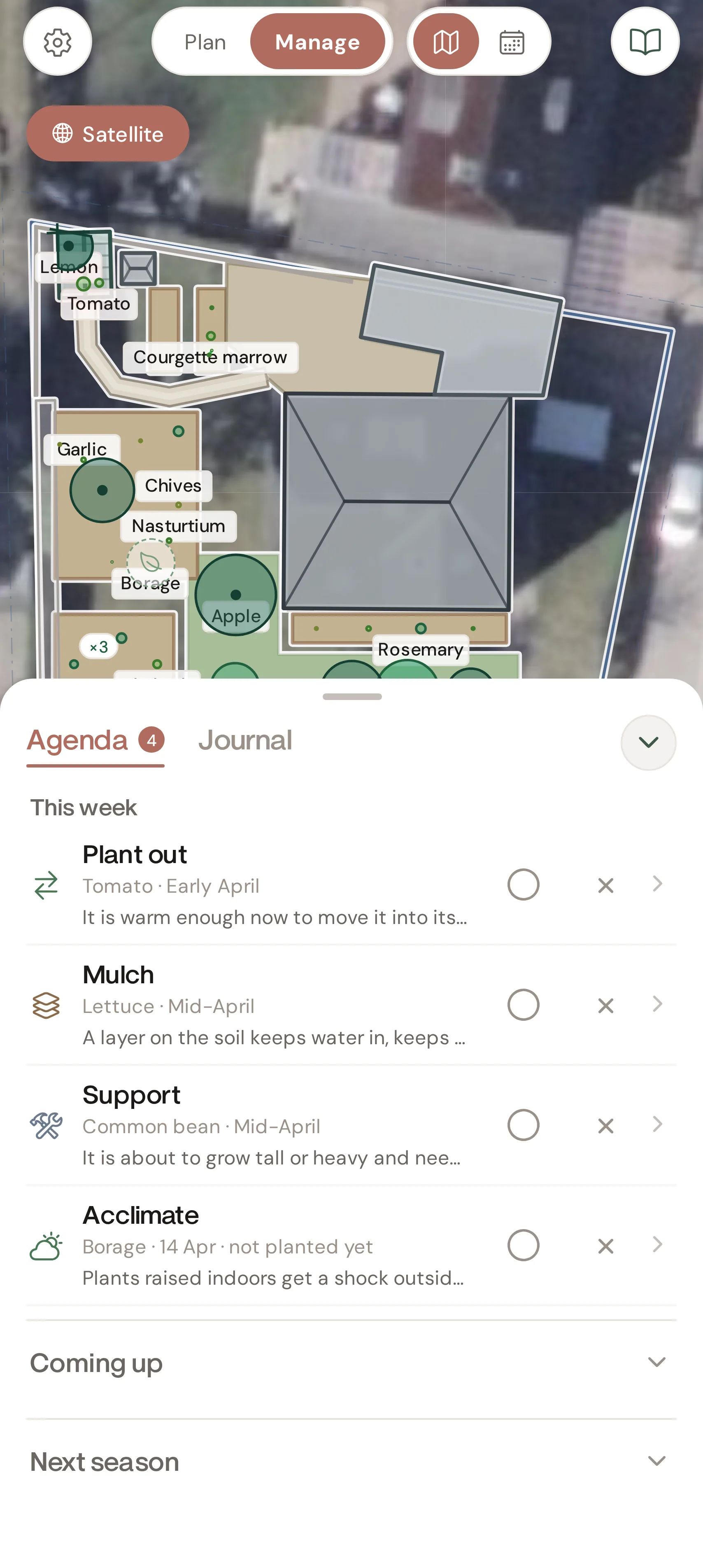
Keep track of what you planted, what needs doing and when. Write in the journal, and learn how the garden evolves

Plant · phone
perma's agenda in April: four jobs in the garden this week.

A shared knowledge base for permaculture.

Permaculture know-how is scattered across books, courses and forums. That makes it hard to get started.

The wiki gathers it in one place, from sources you can trust.

  1. GBIFSpecies and names
  2. FAO EcoCropClimate
  3. WikipediaPhotos
perma wiki304 species in one place
Open the wiki
  • Open to everyone

    Free to read. No account.

  • Anyone can add

    Type the name of a missing plant and the wiki finds the rest. Add a plant ↗

  • Grows with every plant

    What one person adds, the next can use.

Every garden makes a difference.

Permaculture is a way of thinking, not just a way of growing. The same thinking shapes farms, houses, water and whole communities.

perma starts in the garden, because that’s where most people can begin. Everything in the app rests on permaculture’s three ethics.

  1. 1

    Earth care

    Leave the soil richer than you found it. A garden that feeds itself needs no bags of fertiliser and no sprays.

  2. 2

    People care

    Grow food that feeds your household. The more of it comes from your own garden, the less you depend on long supply chains and full shelves.

  3. 3

    Fair share

    Take what you need and pass the rest on: fruit, seeds and know-how. A street full of gardens is a real food system.

Questions.

Do I need to know about permaculture first?

No. perma is made for starting from scratch. You draw your garden, and perma explains as you go why a plant fits, or why it doesn't.

What does it cost?

perma is free while the app is in open beta.

Does perma replace a gardening course?

No, and it isn't meant to. perma is a first step that makes it easier to get going, and a good tool to bring along if you take a course or work with a garden designer.

Where does the plant data come from?

From verified databases and botanical sources. AI helps gather and organise the knowledge, but the app's recommendations follow fixed rules, and every fact can be traced back to its source.

Does it work on my phone?

Yes. perma runs in the browser on both computer and phone. Apps for iOS and Android are on the way.

Get in touch.

Questions, ideas, or something that isn’t working? Send a message and we’ll get back to you.

Or write directlyhello@goperma.app

We store your message and email so we can reply, and nothing else. See our privacy policy.

Start with the garden you have.

Draw it the way it looks today, and see what it could become.

Open app
Free · Open beta · Nothing to install